Verified Material Grade
IS 2062 plate for structure and extractor body, SS 304 or SS 316 on miscella and oil contact parts, backed by mill test certificates in your company name.





Mecha Engineering designs, fabricates and commissions turnkey solvent extraction plants for the mustard belt of Bharatpur and Alwar, the soyabean units of Hadoti and the groundnut crushers of the Bikaner and Jodhpur region. Batch units from 10 TPD up to continuous lines of 500 TPD.
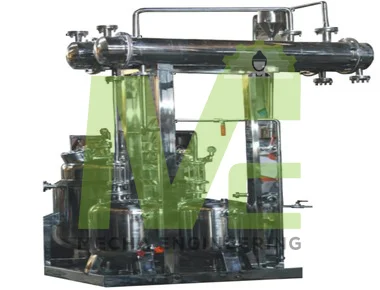
Rajasthan is the mustard capital of India, and that shapes almost every extraction enquiry that comes out of the state. Bharatpur, Deeg, Kumher and Alwar hold one of the densest expeller clusters anywhere in the country, and what reaches an extraction plant there is cake still carrying 8 to 12 percent oil. Sri Ganganagar and Hanumangarh add a second mustard stream alongside cottonseed from the canal belt.
The rest of the state pulls in different directions. Hadoti, around Kota, Baran, Bundi and Jhalawar, runs soyabean and needs a full flaking line. Bikaner, Nagaur, Churu, Sikar and Jodhpur send groundnut cake and guar korma. As a solvent extraction plant manufacturer in Rajasthan, Mecha Engineering sizes the preparatory section and extractor around which of these you receive, and fabricates the plant at our own Saharanpur works.
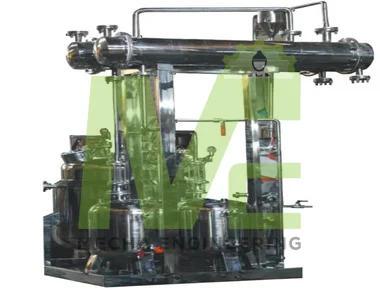
These are the points a Bharatpur, Alwar or Kota oil miller checks before releasing a purchase order, so we put them in writing rather than in a brochure line.
IS 2062 plate for structure and extractor body, SS 304 or SS 316 on miscella and oil contact parts, backed by mill test certificates in your company name.
Extractor drive, conveyors and vessels trial assembled and run at our Saharanpur shop. Hydro and leak tests are recorded before anything is loaded on a trailer.
Civil and foundation drawings, structural erection, piping, insulation, utility tie-in, commissioning and operator training at your Rajasthan site, covered in the scope.
You buy from the fabricator, not a trading house. No dealer margin, and every design change is quoted against actual material, machining and labour.
Every feature below protects one of three numbers your plant is judged on: oil recovered, solvent lost and steam burned per tonne.
Extractor bed depth, sprinkler layout and miscella stage count are matched to your feed so solvent washes the bed evenly. Residual oil in the meal is held to under one percent on a dry basis instead of drifting up with load.
Economiser, multi-stage evaporation and heat exchange between hot meal, vapour and incoming miscella cut live steam demand. Lower steam and power per tonne is where an extraction plant actually earns its payback.
Vapour recovery, nitrogen blanketing points, flameproof motors, starters and field instruments, bonded earthing and gas detection. The hexane section is treated as a hazardous area from the first drawing, not retrofitted later.
Layouts are drawn to your shed height, plot shape and boiler capacity. The structure and utility headers are sized so a second extraction line or a refinery block can be added later without rebuilding.
Shell and tube condensers, a solvent water separator and a mineral oil vent gas absorption column recover solvent that most plants send out of the vent. Hexane is a running cost, so every litre recovered is margin.
Controlled steam sparging and residence time in the desolventiser toaster strip solvent without scorching the meal, so protein and colour hold up and your de-oiled cake sells into the feed trade at the better rate.
Pick the line that matches your feed material, or send your material analysis and we will tell you which of these fits.
The Rajasthan standard. Cake breaking, sizing and conditioning to pull the remaining 8 to 12 percent oil out of expeller cake, built for the Bharatpur, Deeg, Kumher and Alwar cluster.
Full preparatory line with cracking rolls, dehuller, conditioner and flaker feeding a continuous extractor, sized for the Hadoti belt around Kota, Baran and Jhalawar.
Cake breaking and sizing to recover the 6 to 10 percent oil that pressing leaves behind, for the Bikaner, Nagaur, Churu, Sikar and Jodhpur expeller units.
Handles guar by-product streams from the gum industry, where recovered oil and a cleaner protein-rich meal both add value for the feed and export trade.
Batch percolation extractors for 10 to 30 TPD duty, lower capital and simpler operation. A practical first plant for a miller moving from expeller-only to solvent extraction.
Recovers the 20 to 30 percent oil held in refinery spent bleaching earth and residues, turning a disposal problem into a recovered oil stream.
Standard build for a continuous solvent extraction line. Every line below is changed to order, so treat this as the starting point for your enquiry rather than a fixed model list.
| Parameter | Standard offering | Options on request |
|---|---|---|
| Plant Capacity | 10, 20, 30, 50, 100, 150 and 200 TPD | Up to 500 TPD, and parallel lines for staged expansion |
| Plant Type | Continuous extractor for commercial oilseed duty | Batch percolation type for mini plants and herbal lines |
| Feed Material | Mustard cake, soyabean, groundnut cake and guar korma | Cottonseed, taramira, sesame cake, rice bran, spent earth |
| Solvent Used | Commercial hexane to IS specification | Ethanol, IPA or ethyl acetate for herbal and oleoresin duty |
| Residual Oil in Meal | Under 1 percent on a dry basis | 0.5 to 0.7 percent with expander prepared feed |
| Hexane Consumption | Around 1.5 to 2.5 litres per tonne of material | Lower with vent gas absorption and mineral oil scrubber |
| Material of Construction | IS 2062 plate for structure and extractor body | SS 304 or SS 316 throughout for food, herbal and pharma duty |
| Preparatory Section | Cleaner, magnetic separator, cracking roll, conditioner, flaker | Expander, pelletiser, dehuller and cooker for higher bulk density |
| Extractor Type | Rotocel or shallow bed chain type with wedge wire screens | Loop type, sliding cell or basket type to suit the material |
| Desolventising | Desolventiser toaster with steam sparging trays | DTDC with dryer and cooler for finished feed grade meal |
| Miscella Distillation | Two stage evaporation with vacuum stripping column | Economiser plus rising film stages to hold FFA down |
| Solvent Recovery | Shell and tube condensers with solvent water separator | Vent gas absorption column with mineral oil circulation |
| Heating Utility | Low pressure steam from your boiler, at 3 to 10 kg per sq cm | Thermic fluid, waste heat recovery and economiser tie-in |
| Safety Fittings | Flameproof motors and panels, bonded earthing, purging points | Nitrogen blanketing, gas detectors, sprinkler and hydrant tie-in |
| Control System | Local panel with interlocks, level and temperature indication | PLC with HMI, SCADA link, batch reporting, flameproof instruments |
| Documentation | GA drawing, P and ID, MOC certificates, test report, manual | Third party inspection, statutory approval support, IQ and OQ protocols |
Scroll the table sideways on a mobile screen. Send your material, daily tonnage and available steam and we will fill this sheet in against your process.
The feed material decides the preparatory section and the extractor, not the other way around. This is the shortlist we work through with a Rajasthan buyer on the first call.
| Feed material | Oil available | Preparation needed | Typical Rajasthan location |
|---|---|---|---|
| Mustard and Rapeseed Cake | 8 to 12 percent residual | Cake breaking, sizing and conditioning | Bharatpur, Deeg, Kumher, Alwar, Dholpur |
| Mustard Seed | 35 to 40 percent | Cleaning, conditioning and flaking | Sri Ganganagar, Hanumangarh, Tonk, Jaipur |
| Soyabean | 18 to 20 percent | Cracking, dehulling, conditioning, flaking | Kota, Baran, Bundi, Jhalawar |
| Groundnut Cake | 6 to 10 percent residual | Cake crushing and sizing only | Bikaner, Nagaur, Churu, Sikar, Jodhpur |
| Guar Korma and Churi | Varies by stream | Sizing and conditioning | Jodhpur, Bikaner, Nagaur gum industry belt |
| Cottonseed | 16 to 20 percent | Delinting, dehulling, conditioning, flaking | Sri Ganganagar, Hanumangarh, Suratgarh |
| Taramira and Sesame Cake | 6 to 12 percent residual | Cake breaking and sizing | Alwar, Bharatpur and Shekhawati units |
| Spent Bleaching Earth | 20 to 30 percent held oil | Direct charging, no flaking needed | Refineries around Jaipur, Alwar and Kota |
Not sure which row you belong to? Share the material name and a recent oil content report and we will confirm the configuration along with an indicative recovery figure.
Six stages from raw cake to crude oil and de-oiled meal. The solvent runs in a closed loop throughout, which is what keeps hexane cost and fire risk under control.
Feed is cleaned, de-stoned and passed through cracking rolls, a conditioner and a flaker or expander so the oil bearing cells open and the bed drains freely.
Prepared material moves through the extractor while hexane is sprayed counter-current across the bed. Oil dissolves into the solvent and leaves as miscella.
Wet meal enters the desolventiser toaster, where steam sparging strips residual hexane and toasts the meal to stable moisture and temperature.
Miscella is heated through the economiser and evaporation stages, then vacuum stripped so the crude oil leaves free of solvent traces.
Vapour condenses in shell and tube condensers and passes to the solvent water separator. Vent gas goes to the absorption column so uncondensed hexane is recovered.
Crude oil is cooled and pumped to storage or onward to refining. De-oiled cake is dried, cooled and conveyed for bagging or bulk despatch.
Bharatpur and Alwar crushers recovering the oil that pressing leaves in cake, which is usually the fastest payback a Rajasthan oil mill can make.
Hadoti crushers converting seed into crude soya oil and de-oiled cake for the poultry and cattle feed trade.
De-oiled cake producers judged on protein, colour and residual solvent, so the desolventiser toaster design matters as much as the extractor.
Gum industry groups adding value to korma and churi streams through oil recovery and a cleaner, better-selling protein meal.
Refining groups adding captive extraction upstream, or re-extracting spent bleaching earth to recover held oil rather than paying to dispose of it.
Non-edible seed and residue processing feeding soap, oleochemical and biodiesel production streams.
Dispatch, erection and site service run out of our Saharanpur works to every district of Rajasthan. These are the locations we work in most often.
District not on the list? The list is only where we have worked most recently. Site visits, erection and after-sales service cover every district in Rajasthan, and we supply across India and to export markets.
Straight answers to what Rajasthan buyers ask before and after a site visit.
Mecha Engineering Pvt. Ltd. designs and fabricates solvent extraction plants at its own works at Village Meharbani on Behat Road, Saharanpur, Uttar Pradesh, and supplies them across Rajasthan. The company was set up in 2022 and builds extraction, distillation, drying and process equipment for edible oil, agro-processing, feed, herbal and chemical units in Rajasthan, the rest of India and export markets.
Batch type mini plants start at around 10 TPD, and continuous lines are built from 20 TPD up to 500 TPD. In the Bharatpur and Alwar mustard belt most buyers already run expellers, so the practical question is how much cake your presses produce each day. We size the extractor to that, with structure and headers left ready for a second line.
Mustard and rapeseed seed and cake, soyabean, groundnut cake, guar korma and churi, cottonseed, taramira, sesame cake, rice bran and refinery spent bleaching earth. Stainless steel versions handle oleoresin and herbal material. The preparatory section changes with the material, which is why we ask for an oil content and moisture report before quoting.
A properly prepared and correctly loaded plant leaves under one percent oil in the meal on a dry basis, and 0.5 to 0.7 percent is achievable where the feed goes through an expander. Preparation matters more than the extractor here, which is why we quote the preparatory section and the extractor together rather than separately.
Typical consumption runs around 1.5 to 2.5 litres per tonne of material processed. Loss is controlled by condenser sizing, a properly working solvent water separator, sealed conveyors and a vent gas absorption column that scrubs uncondensed vapour with mineral oil before anything leaves the plant.
The hexane area is designed as a hazardous zone from the start. Flameproof motors, starters and field instruments, bonded earthing across the structure, nitrogen purging connections, gas detection points and a vapour recovery loop are part of the standard scope, and drawings are prepared in the form your statutory and insurance inspections in Rajasthan ask for.
Yes. Common jobs are adding a preparatory or expander section ahead of an existing extractor, replacing a worn extractor chain and screen assembly, upgrading a DT to a DTDC, rebuilding the distillation and recovery block to cut steam, and adding a PLC panel to a manually run plant. Send photographs, your current layout and a nameplate reading to start.
Erection, piping tie-in, insulation, utility connection, water and solvent trials, first production run and operator training at your Rajasthan site are part of the supply scope, along with foundation and civil drawings. Eastern Rajasthan is a short road movement from Saharanpur, which keeps the erection team close and shortens commissioning.
Mini and batch plants are generally ready in 12 to 16 weeks. Continuous lines take 20 to 30 weeks depending on capacity and automation, with erection running alongside your civil work. Freight to Alwar, Bharatpur, Jaipur or Kota is a direct highway run quoted at actual cost, and for large vessels we arrange the trailer, route survey and unloading crane.
Call +91-9084351006 or +91-7500378000, send a WhatsApp message, or email info@mechaengg.com with four details: the material you will process, the tonnes per day you want to handle, the oil and moisture content of that material and the steam and power available at your site. A specification sheet, layout and price come back within one working day.
Share the material, the tonnes per day and the steam you have available. Our Saharanpur engineering team returns a specification sheet, plant layout and price so you can compare on paper rather than on promises.